




Inflammation
Chronic inflammation is the slow burn behind most modern disease.
Supplements can lower the inflammatory load, but they work best when stacked with the basics: reducing seed oils and refined sugar, eating oily fish or omega-3-rich plants, sleeping seven hours, and moving daily. Think of nutrition as the floor and supplements as the lever.
What is actually happening
Cytokines Stay Elevated
Pro-inflammatory cytokines like TNF-alpha and IL-6 are meant to spike, do their job, and fall. In chronic inflammation they stay elevated and damage healthy tissue, joints, and blood vessels.
Diet Tips The Omega Ratio
A modern South African diet skews heavy on omega-6 seed oils (sunflower, canola) and light on omega-3. That ratio biases the body toward inflammatory prostaglandins instead of resolving ones.
Leaky Gut Feeds The Fire
When the gut lining is compromised, bacterial endotoxins (LPS) slip into circulation. The immune system reacts to them daily, keeping systemic inflammation switched on.
Poor Sleep And Stress Amplify
Cortisol normally suppresses inflammation. Chronic stress and short sleep flip that dynamic, raising baseline inflammatory markers and slowing tissue repair.
How we think about it
Foundation: Lower The Baseline Load
Start with daily anti-inflammatory nutrients: a curcumin or omega-3 supplement taken with food. These shift the underlying biochemistry over four to eight weeks.
Build: Target The Pathways
Layer in compounds that act on specific inflammatory pathways: quercetin for histamine and NF-kB, resveratrol for cellular signalling, berberine for metabolic inflammation.
Acute: Manage Flares
For a flare (joint pain, sinusitis, post-exercise soreness) reach for quercetin-bromelain-resveratrol or extra curcumin for a short, higher dose window.
Our top picks for this concern
Curated by what works, ranked by what sells. The handful we reach for first.
-
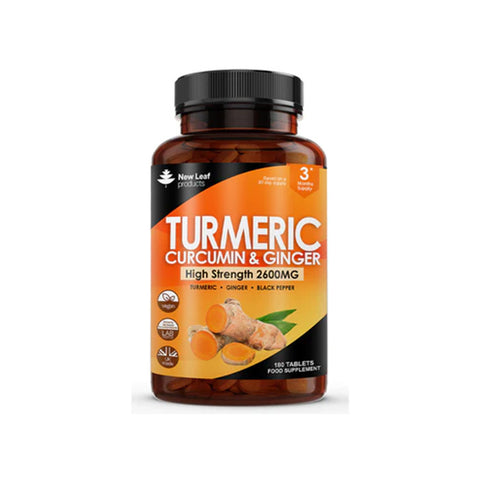
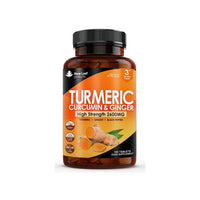
New Leaf Turmeric, Curcumin And Ginger Tablets 120
R355.00
Curcumin plus ginger plus piperine is the most studied daily anti-inflammatory stack. Affordable, broad-spectrum, and the right starting point if you have one slot in your routine.
View product -
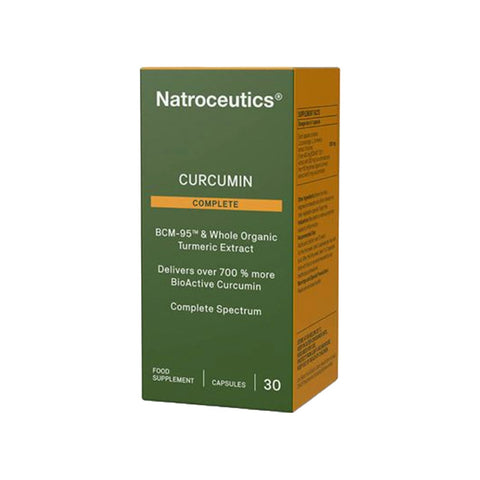
Natroceutics - Curcumin complete 30 Capsules
R349.00
A more bioavailable curcumin format for anyone who has tried turmeric powder and felt nothing. Better absorption means lower effective dose.
View product -
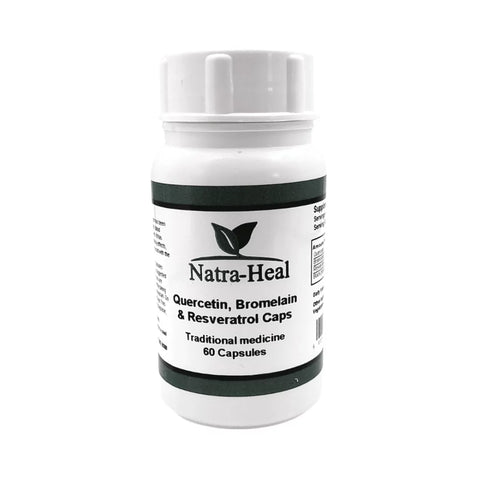
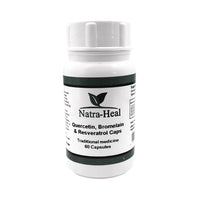
Natra Heal - Quercetin Bromelain and Resveratrol 60 Capsules
R459.00
A three-in-one acute formula. Quercetin stabilises mast cells, bromelain breaks down inflammatory complexes, resveratrol supports cellular resilience.
View product -
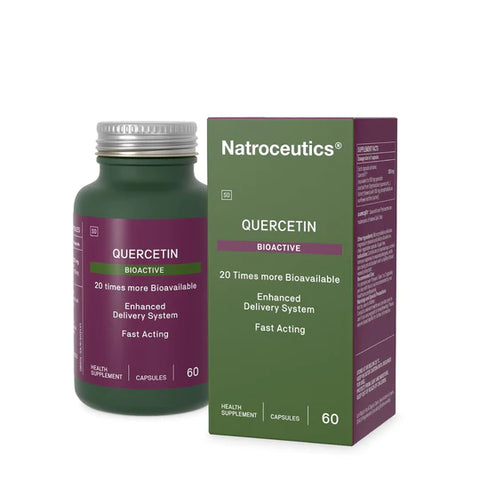
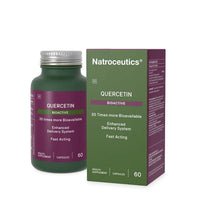
Natroceutics - Quercetin 60 Capsules
R429.00
Clean quercetin isolate for anyone managing histamine-driven inflammation: seasonal allergies, sinus pressure, post-meal flushing.
View product -
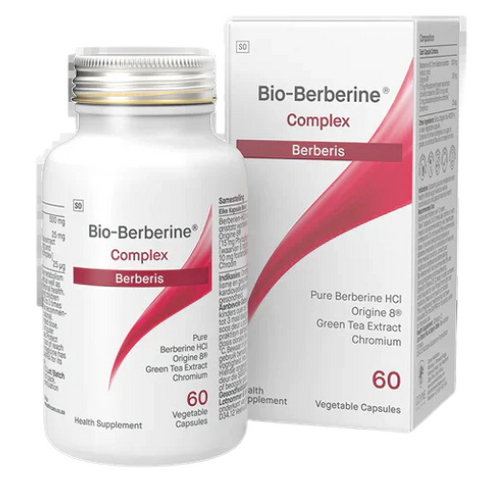
Biomax Bio Berberine Complex Berberis-60 Capsules
R439.00
Targets metabolic inflammation linked to high blood sugar and insulin resistance. Useful if your inflammation tracks with weight or pre-diabetes markers.
View product


A Vogel Indigestion Formula 30ML
Build your stack
Three tiers, not 12. Start with one, add the next when you are ready.
-
1FOUNDATION
Turmeric Curcumin Ginger Daily
The universal daily layer. Take with a fat-containing meal for absorption. Allow six to eight weeks for joints and inflammatory markers to respond.
 New Leaf Turmeric, Curcumin And Ginger Tablets 120
R355.00
View →
New Leaf Turmeric, Curcumin And Ginger Tablets 120
R355.00
View →
-
2BUILD
Quercetin For Pathway Support
Add after four weeks on the foundation. Especially useful if you have allergies, histamine intolerance, or post-viral inflammation lingering.
 Natroceutics - Quercetin 60 Capsules
R429.00
View →
Natroceutics - Quercetin 60 Capsules
R429.00
View →
-
3ACUTE
Quercetin Bromelain Resveratrol For Flares
Keep on the shelf for joint flares, sinus pressure, or post-exercise soreness. Higher short-term dose, then taper back to the foundation.
 Natra Heal - Quercetin Bromelain and Resveratrol 60 Capsules
R459.00
View →
Natra Heal - Quercetin Bromelain and Resveratrol 60 Capsules
R459.00
View →
